Historic Windows: Balancing Heritage, Performance, and Sustainability
By Stephen Boniface
The evolution of the window is a direct reflection of Britain's architectural, social, and economic history. Today, as built environment professionals work to upgrade the thermal performance of traditional structures, original windows have become a primary battleground. Understanding where these building elements came from is critical to determining how we protect them for the future.
Chapter 1: The Medieval Opening & The Luxury of Glass
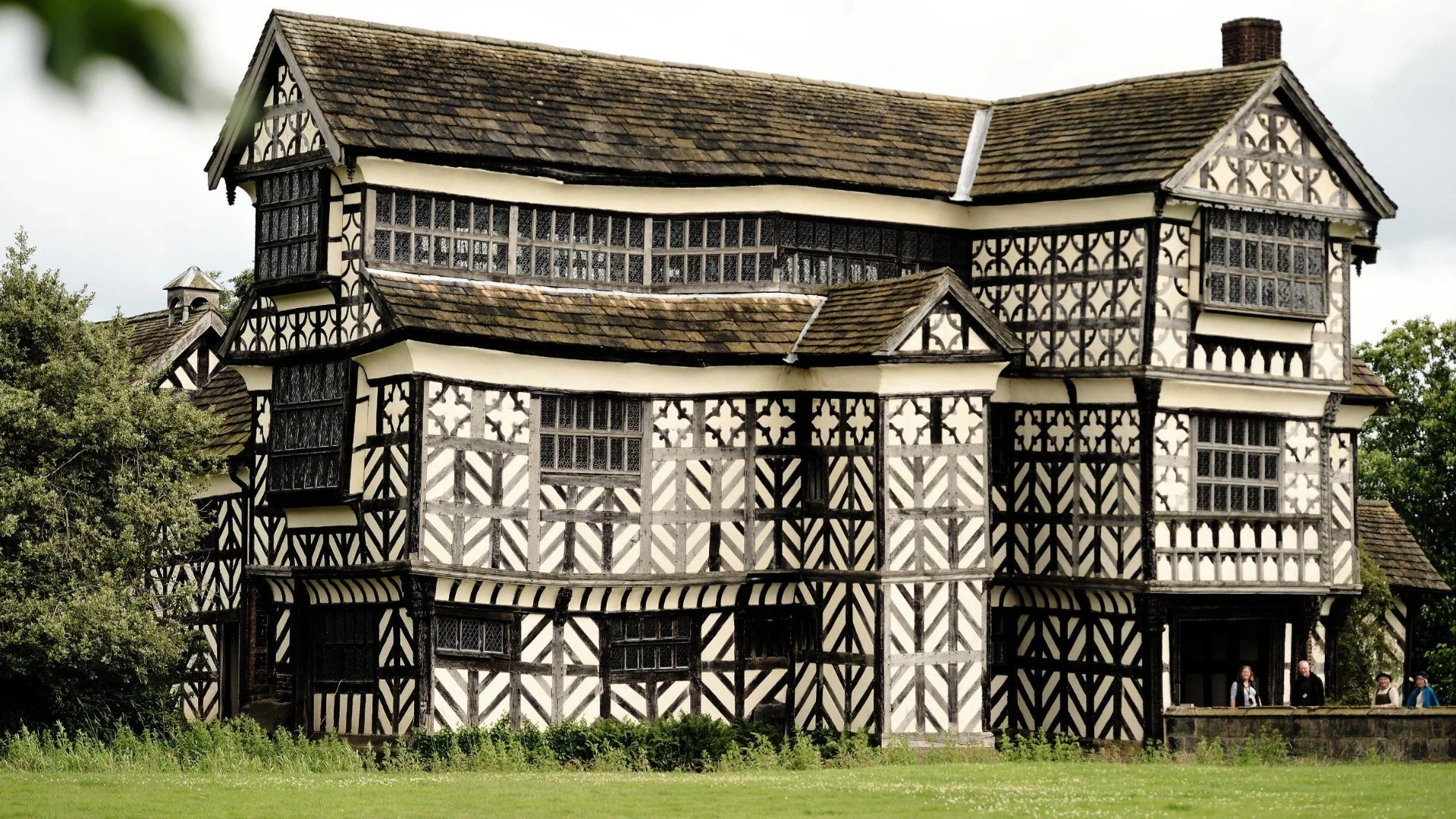
Surviving original domestic windows in the UK typically trace their origins back to the late mediaeval period, specifically the 15th and 16th centuries. During this era, architectural layout was driven strictly by utility and necessity rather than rigid symmetry.
Foundational Characteristics:
The Wealth Barrier: Glass was an immense luxury. Only the wealthiest property owners could afford to glaze their windows.
Unprotected Openings: The vast majority of early windows were simple wall openings relying on timber shutters, oiled skins, or cloth to infill the fabric and keep the elements at bay.
Form & Scale: While higher-status properties occasionally featured projecting oriel windows, most lower-order domestic buildings utilized simple timber mullion forms. These openings were intentionally kept small to combat heat loss and exclude severe weather, though grander, expansive windows were reserved for principal halls and high-status solar chambers.
Chapter 2: The 16th-Century Glass Revolution
As national economic stability advanced across the 16th century, glass production evolved from a rare luxury into an accessible commodity for the emerging middle and lower classes. However, early industrial constraints dictated the physical form of these new glazed installations.
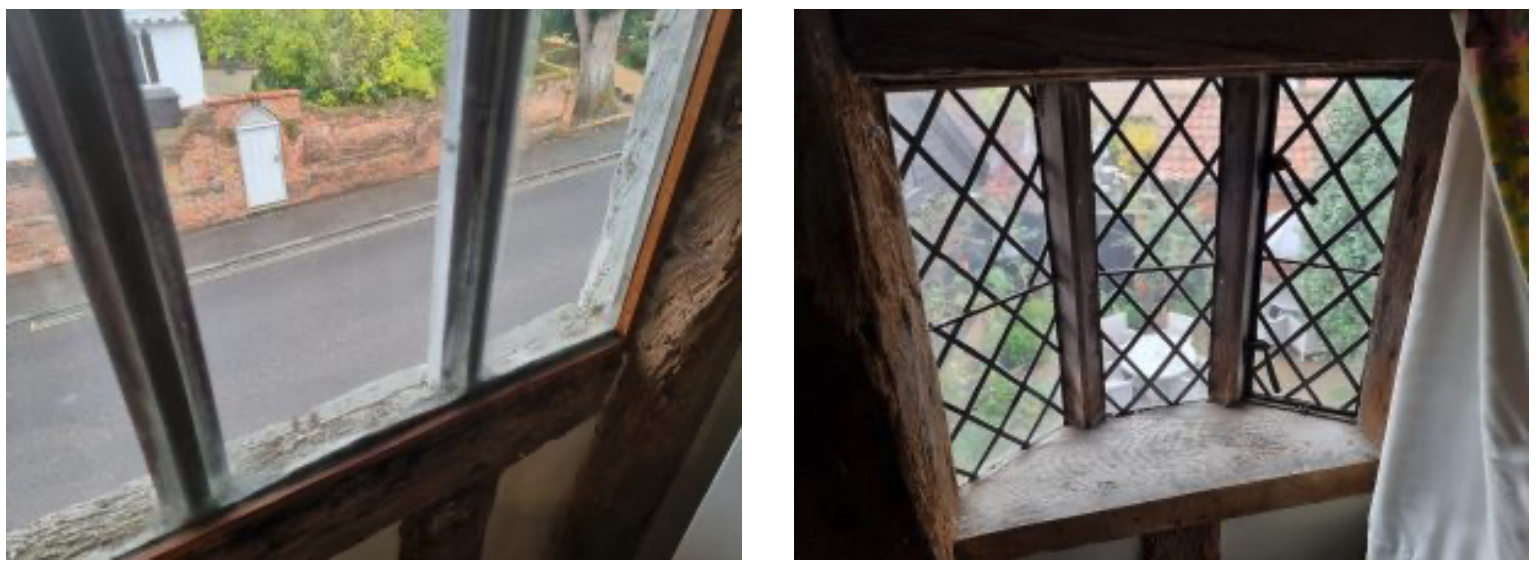
Because manufacturing limitations made creating large, uniform sheets of flat glass impossible, windows had to be subdivided into small panes. Each individual piece of glass—or quarrel—was meticulously secured using lead cames. While many leaded panels were inset directly into structural timber subframes, archaeological evidence confirms the frequent use of early metal frames.
Chapter 3: "The Eyes of a Building"
While smaller domestic homes gradually adapted to leaded glazing, grand prodigy houses were busy pushing the boundaries of display.
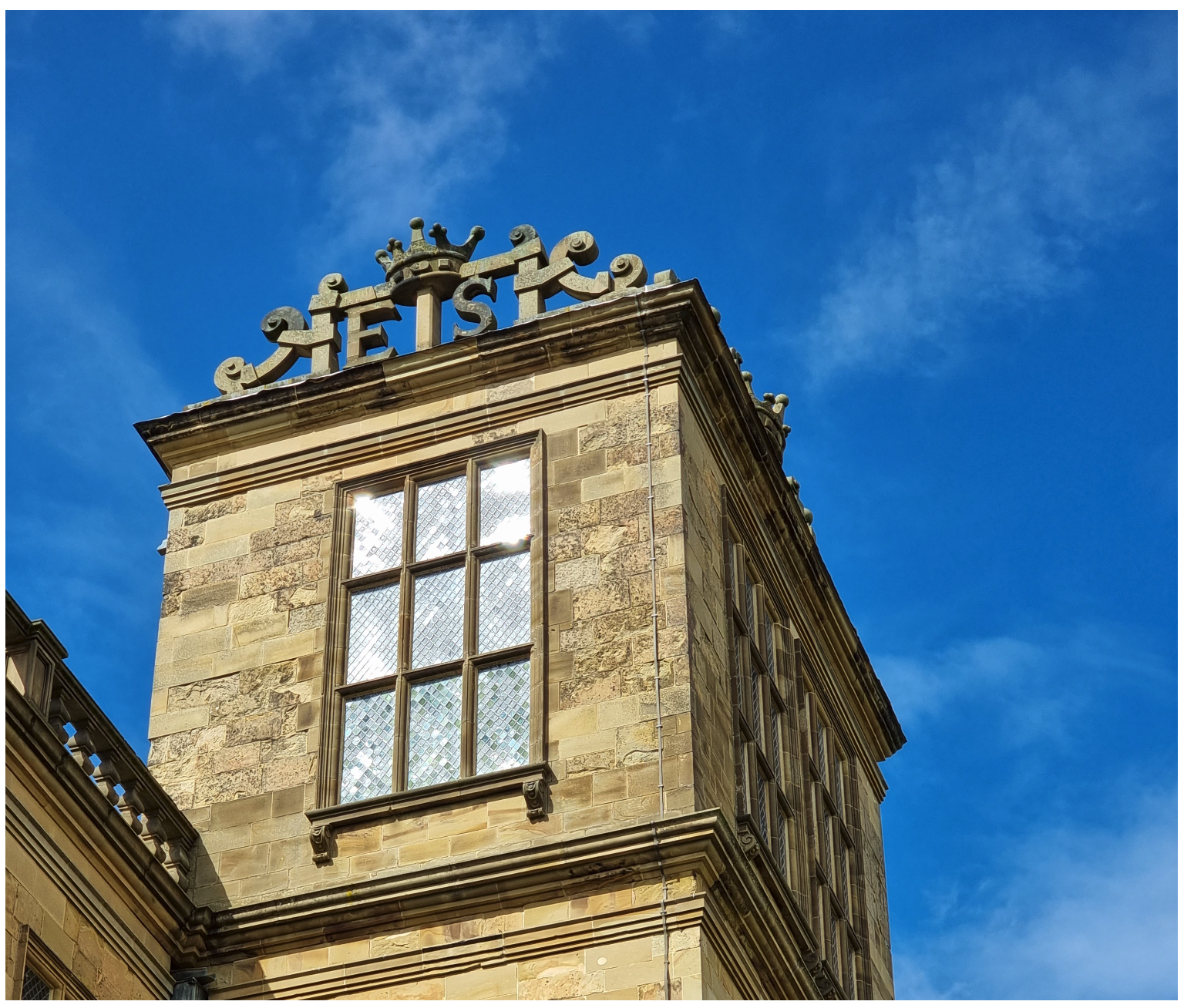
Notable Elizabethan estates like Hardwick Hall turned glass into a statement of immense political power and wealth. It is often said that windows are the eyes of a building. Standing before a structure like Hardwick Hall when the sun hits the facade reveals the profound truth of that phrase.
The slight, natural manufacturing irregularities across the historic glass faces create a dynamic, glistening surface. To a spectator below, it yields an unmistakable, living impression of eyes blinking in the sunlight. This captivating architectural character cannot be replicated using modern, perfectly flat float glass.
Chapter 4: Classical Symmetry and the Rise of the Sash
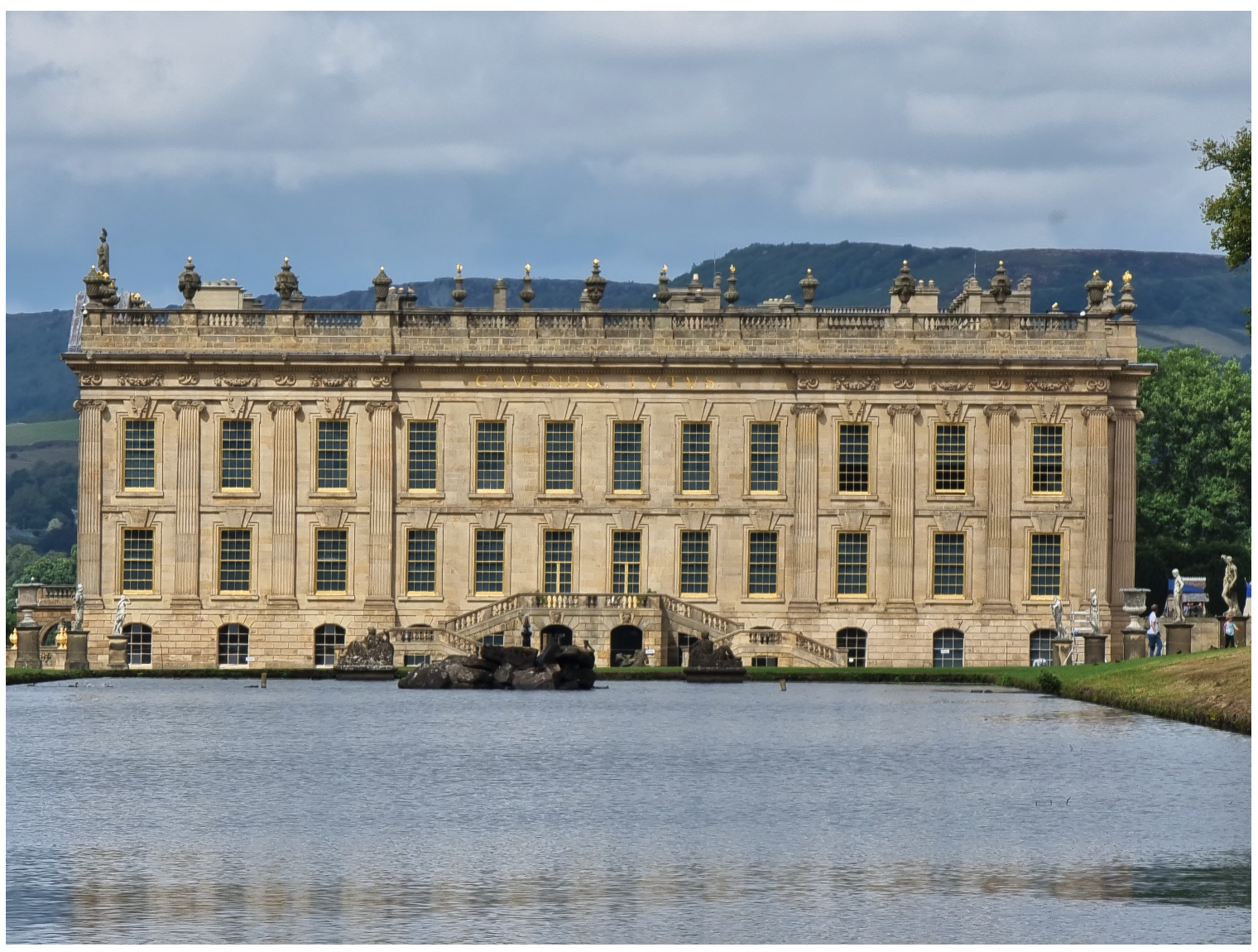
The 16th and 17th centuries brought an explosion in international trade and foreign design movements. The random layout of the mediaeval period surrendered to the classical orders of architecture, heavily influenced by Palladian style. Window design shifted toward strict symmetry, governed by classical proportions and the golden ratio.
This era introduced the vertical sliding sash window to the UK. Originally adapted from continental models, the sash window was heavily re-engineered by English craftsmen, rapidly becoming a defining feature of the country's urban fabric. Early, high-status adoptions of this technology can be studied at landmark sites like Chatsworth House.
Chapter 5: Fiscal Design and Industrial Standardisation
As glass manufacturing steadily improved into the Georgian and Victorian eras, the industry successfully generated larger glass panes. However, constraints still required multi-paned configurations divided by fine timber glazing bars, maintaining classical symmetry.
The Impact of the Window Tax (1696–1851)
Introduced as a targeted wealth tax on homes with more than ten windows, the Window Tax significantly altered the UK's streetscapes. To circumvent the financial penalty while preserving the strict classical rhythm of their facades, architects frequently designed buildings with blank or false windows.
By the late 19th and early 20th centuries, industrial glass production advanced to the point where glazing bars were no longer required to support large vertical spans. This dramatically altered the visual weight and transparency of buildings.
Simultaneously, the expansion of the national railway network allowed standardized materials and uniform "design books" to be shipped anywhere in the country. This industrial shift triggered a massive drop in regional variation, paving the way for the rapid development of near-identical terraced housing estates across the United Kingdom.
Chapter 6: The Art Deco Metal Movement
In the 1910s, an Essex-based manufacturing company permanently altered early 20th-century design by pioneering mass-produced metal-framed windows. Within a short period, Crittall windows gained widespread mainstream adoption.
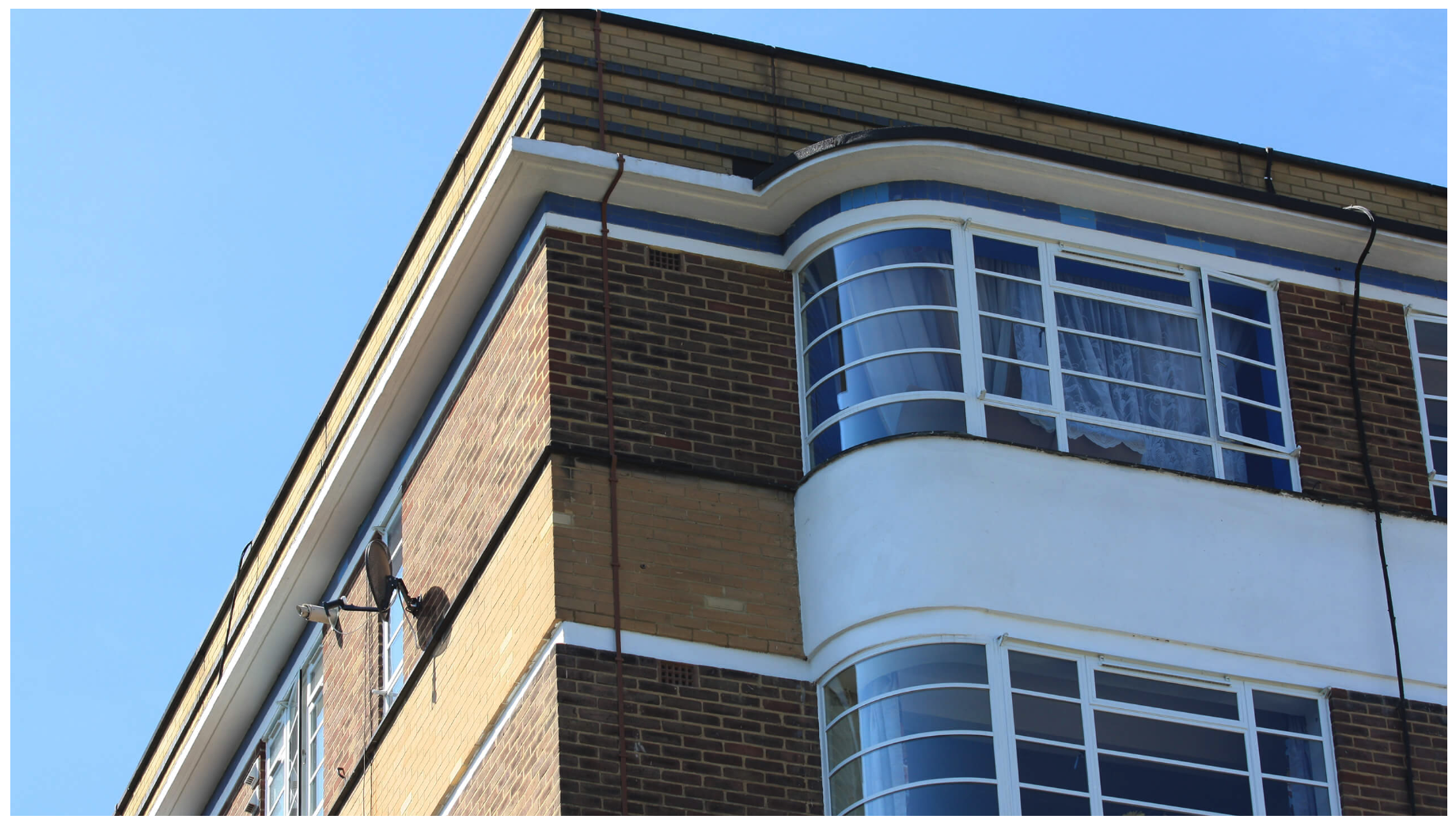
The core engineering advantage of the steel window frame was its malleability. Metal could be precision-bent into complex architectural shapes that traditional timber could not easily or affordably match. This manufacturing milestone perfectly aligned with the rise of the Art Deco movement, enabling the iconic, sweeping curved bays and clean architectural sightlines that define modern interwar design.
Chapter 7: The Replacement Culture & The Thermal Dilemma
The mid-20th century brought a surge in homeownership and the birth of modern DIY culture. Property owners increasingly sought to stamp their individual character onto historic fabric. This period unfortunately saw a systematic stripping out of historic sash and multi-pane casement windows, which were routinely filled with oversized, insensitive "picture" windows in a misguided attempt to flood interiors with flat light.
As the 20th century progressed, the global drive to minimise building heat loss triggered a massive rush toward double glazing.
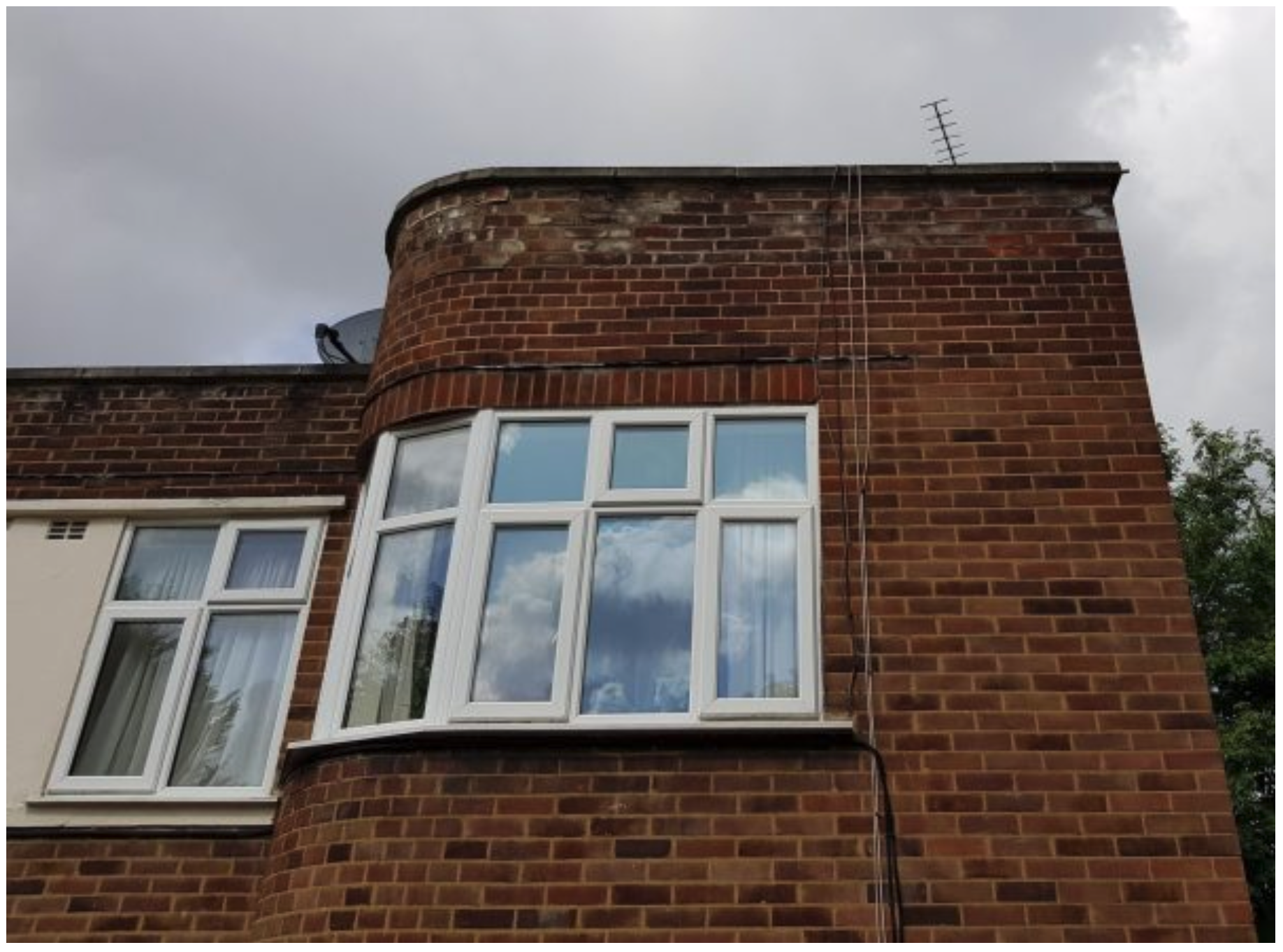
Early double-glazed replacement units routinely ignored historical proportions, profiles, and materials, systematically eroding the character of traditional streets. While reproduction units have improved significantly, modern replica windows still fail to fully capture the visual charm, irregular reflection, and historic soul of original glazing.
Chapter 8: The Sustainability Case for Repair
When dealing with historic assets, we must look beyond operational carbon and rigorously evaluate embodied energy and long-term sustainability.
An original window represents a finite expenditure of historical materials, human craftsmanship, and energy. Sending it to a landfill sacrifices that historic fabric unnecessarily, while expending a high volume of new carbon and energy to manufacture a modern replacement.
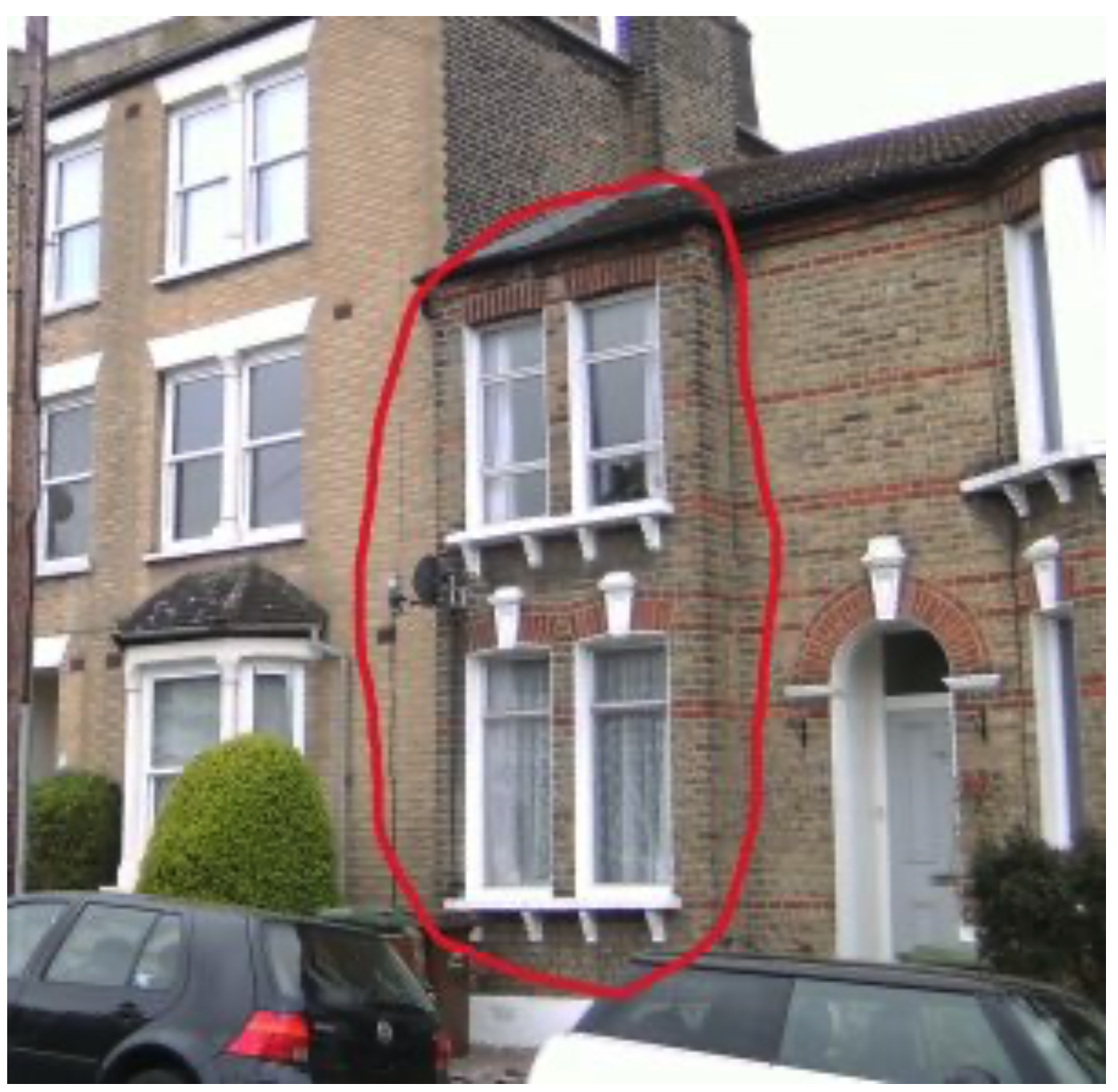
Except in rare cases where a timber or metal frame has truly deteriorated past the point of structural return, complete replacement can usually be avoided. More often than not, severe failure is simply the result of long-term deferred maintenance and a lack of regular redecoration.
As a professional industry, it has become far too easy to specify a wholesale tear-out the moment minor localized rot is detected. The built environment sector must re-prioritise traditional repair methodologies over lazy replacement culture.
Turning Principle into Practice
Retaining an old window does not mean accepting poor thermal performance. Today, a sophisticated array of non-invasive technologies—including high-performance perimeter draught-proofing, specialized historic hardware adjustments, and discrete secondary glazing installations—allows us to dramatically upgrade thermal efficiency without sacrificing authentic fabric.
To explore these practical diagnostic workflows and repair methodologies in depth, you can access the full technical recordings from our two-day national window conference on the Historic Windows YouTube Channel.